How Pest Control Services Prevent Recurring Infestations

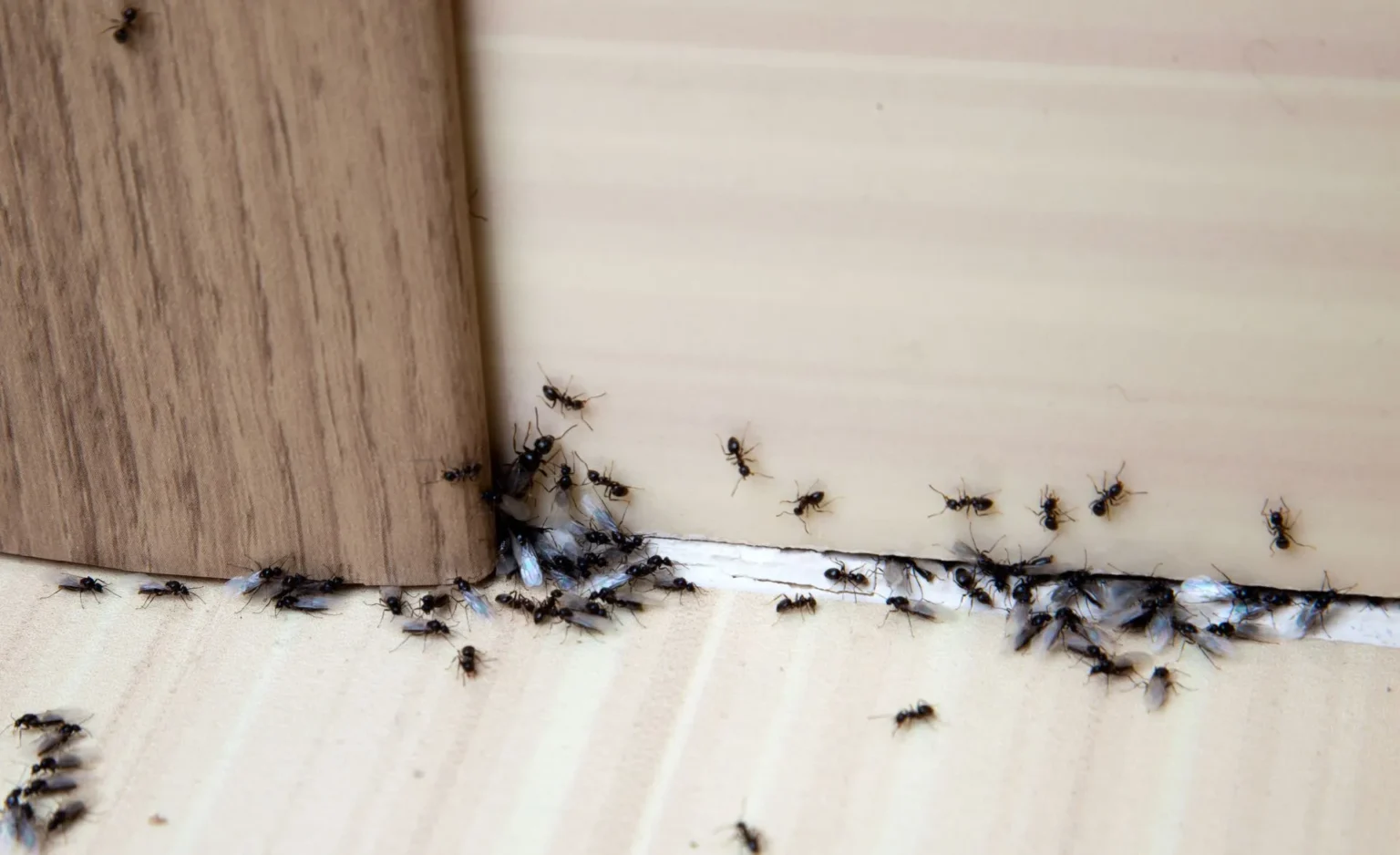

Anyone can kill the pest they see. The harder job is stopping the next wave.
That distinction is where professional Pest Control Services prove their value. A recurring infestation is rarely about a few insects or rodents slipping indoors by chance. It is usually a sign that the property is offering what pests need to survive: food, water, shelter, breeding sites, and easy access. Until those conditions are identified and corrected, the problem tends to return, often in a slightly different form and usually at a higher cost.
Property owners often call for help after trying store-bought sprays, traps, or home remedies. Sometimes those efforts reduce visible activity for a week or two. Then the ants return to the kitchen, the roaches reappear under the sink, or scratching sounds start up again in the attic. That cycle frustrates homeowners because it feels unpredictable. From a pest management standpoint, it is usually very predictable. Pests come back when the root cause remains in place.
Professional prevention is not about stronger chemicals alone. In fact, the most reliable long-term results usually come from a methodical approach: inspection, identification, exclusion, habitat correction, targeted treatment, and follow-up. When those pieces work together, recurring infestations become far less likely.
The difference between removing pests and solving a pest problem
A single treatment may eliminate the active pests in a room, but recurring infestations often begin outside that room or even outside the building. Termites may be entering through hidden expansion joints. Rodents may be nesting in wall voids and traveling along utility lines. German cockroaches may be surviving behind appliances where surface sprays never reach. Bed bugs may remain in seams, electrical outlets, or adjacent units.
This is why experienced technicians spend so much time inspecting before treating. They are trying to answer practical questions, not guess. What species is involved? How far has it spread? What conditions are supporting it? Is there a moisture issue? Are there structural gaps? Is the activity seasonal or constant? Are there sanitation failures, storage problems, or landscape conditions contributing to it?
A treatment plan built on those answers looks very different from a generic service. It is more precise, often more efficient, and much more likely to prevent the problem from restarting.
Accurate identification changes everything
Many recurring infestations persist because the pest was misidentified in the first place. That sounds basic, but it happens often. Small ants are treated as if they are all the same. They are not. Odorous house ants, pavement ants, carpenter ants, and pharaoh ants behave differently and require different control strategies. Spray the wrong place, or use the wrong product, and the colony may simply relocate or split.
The same principle applies to cockroaches, stored product pests, flies, and rodents. A roof rat problem calls for a different inspection pattern than a Norway rat problem. Fruit flies are not managed the same way as drain flies. Powderpost beetles are not the same as termites, though property owners sometimes confuse the damage.
Professionals are trained to notice details that matter. The shape of droppings, the location of grease marks, the timing of sightings, the pattern of damage, and even the smell in a room can narrow down the true source. That knowledge prevents wasted treatments and helps break the cycle of recurrence before it gets more expensive.
Inspection is where prevention actually begins
The most effective Pest Control Services are investigative. They do not start with a spray can. They start with a flashlight, a moisture meter when needed, and a clear inspection route.
In residential work, recurring infestations often trace back to surprisingly ordinary conditions. A slow plumbing leak under a vanity may support roaches and silverfish. Dense ivy against a wall may shelter spiders, ants, and rodents. Pet food left out overnight may sustain ants and mice even in an otherwise clean home. Clogged gutters can push moisture into soffits and wall cavities, creating conditions that attract termites, carpenter ants, and overwintering insects.
In commercial properties, especially restaurants, warehouses, apartment buildings, and healthcare settings, the inspection is even more detailed. Pests use loading docks, floor drains, grease traps, utility penetrations, dropped ceilings, and compactors. In multi-unit housing, technicians also look at movement between units. Treating one apartment thoroughly does not solve a roach problem if adjacent units remain untreated and access routes stay open.
Experienced technicians often find more than the customer expected. A client may report ants in the pantry, but the inspection may reveal moisture ants in a wall cavity caused by an exterior leak. A customer may ask for mouse bait, but the inspection may show that garage door sweeps are missing and birdseed storage is feeding the mice nightly. Those findings are what turn a one-time service into real prevention.
Exclusion closes the front door
If pests can enter easily, they will keep testing the structure. Exclusion is the practice of sealing or screening those access points so the building https://lukasxdqv451.urbanvellum.com/posts/finding-dependable-pest-control-services-in-your-local-area becomes harder to invade.
This is one of the clearest ways Pest Control Services prevent recurring infestations. Chemical treatment may knock down a population, but exclusion removes the route that allowed it in. Even small gaps matter. A mouse can squeeze through an opening roughly the width of a pencil. Cockroaches exploit plumbing penetrations. Wasps use damaged soffits. Spiders and occasional invaders slip through torn screens and unsealed vents.
The strongest exclusion work usually focuses on a short set of priorities:
- sealing gaps around pipes, conduits, and utility lines
- repairing door sweeps and weather stripping
- screening attic, crawl space, and foundation vents where appropriate
- correcting damaged siding, soffits, and trim
- reducing exterior conditions that bridge pests to the building, such as heavy vegetation touching walls
What matters here is judgment. Not every opening can be sealed the same way, and not every material holds up equally well. Copper mesh may work in one location, sealant in another, hardware cloth in a third. Poor exclusion can trap moisture, interfere with drainage, or fail quickly under weather exposure. Good technicians understand the building as well as the pest.
Habitat modification is often the deciding factor
Pests are practical. If a property consistently provides what they need, they return. Habitat modification removes those resources.
This part of the job gets less attention than pesticides because it is not dramatic. Yet it often determines whether the problem stays gone. Roaches need moisture and food residue. Rodents need harborage and calories. Mosquitoes need standing water. Stored product pests need accessible dry goods. Fleas need hosts and protected development areas. Ants need reliable food or honeydew sources, depending on species.
In real service calls, this may mean advising a homeowner to move firewood away from the foundation, dry out a crawl space, replace leaking hose bibs, clean under commercial equipment more frequently, or store pet food in sealed containers. Sometimes it means trimming ornamental shrubs back several inches from exterior walls so the building can dry properly and pests lose their bridge.
The recommendation has to be realistic. Telling people to keep a property "perfectly clean" is vague and often unhelpful. Good pest management advice is specific. Wipe the grease accumulation behind the fryer line every night. Empty the indoor recycling bin before bed. Fix the condensate drip above the ceiling tile. Raise palletized goods at least several inches off the floor if the facility allows it. Those are the kinds of adjustments that reduce recurrence because they directly affect survival conditions.
Targeted treatment works better than blanket treatment
A recurring infestation usually does not require more pesticide everywhere. It requires treatment in the right place, in the right form, at the right time.
That is a major difference between consumer attempts and professional service. Over-the-counter products are often overapplied, misapplied, or used in ways that scatter pests rather than control them. Spraying ant trails without addressing the nest can split certain colonies. Using repellent products around German cockroaches can push them deeper into walls. Foggers used indoors are notorious for missing hidden harborage while contaminating surfaces people actually use.
Professionals choose from a wider range of tools. Baits, dusts, growth regulators, crack-and-crevice applications, monitoring devices, mechanical traps, and non-chemical controls all have a place. A technician treating a recurring roach issue in a kitchen may use gel bait in protected voids, insect growth regulators to disrupt reproduction, and limited targeted applications where labels allow, while also correcting sanitation and entry issues. That is far more effective than broad spraying baseboards and hoping for the best.
Timing matters too. Exterior perimeter treatments may help with seasonal invaders when applied before peak pressure. Mosquito reduction is more effective when breeding sites are addressed before populations explode after rain. Termite systems require monitoring and service intervals that match biology and risk. Recurring infestations are often a sign that timing has been reactive instead of preventive.
Follow-up is not upselling, it is part of control
Some infestations are not solved in a single visit because biology does not work on a customer's schedule. Eggs hatch later. Hidden individuals remain in inaccessible voids. Activity shifts with weather. In multi-unit properties, adjacent sources continue to exert pressure.
This is why follow-up service matters. A thoughtful return visit confirms whether activity dropped as expected, whether bait was consumed, whether fresh droppings or new damage are present, and whether the recommended corrections were completed. It also allows the technician to adapt the plan if the original conditions were more complex than they first appeared.
I have seen this repeatedly with rodent work. A homeowner may feel disappointed after catching several mice and then hearing noises again two weeks later. In many cases, the issue is not treatment failure. It is that the original entry point was only one of several, or the attic harborage was more extensive than expected. Follow-up inspection often reveals secondary gaps, fresh rub marks, or nesting material in a different zone. Without that second look, the infestation has room to restart.
Service frequency also depends on pest pressure and property use. A low-risk home with occasional seasonal ant issues needs a different schedule than a restaurant receiving daily deliveries, or an apartment building with chronic sanitation and turnover challenges. Professional Pest Control Services adjust accordingly.
Why DIY efforts often lead to repeat activity
Do-it-yourself control has its place for minor, isolated issues, but recurring infestations expose its limitations quickly. Homeowners usually lack three things: complete access to hidden spaces, accurate pest-specific knowledge, and enough distance from the problem to see it objectively.
A common pattern goes like this. Someone sees roaches in the bathroom and sprays the bathroom. Activity drops briefly, then appears in the kitchen. They spray the kitchen and living room next. The pests seem to "spread," so they buy more products and apply them more broadly. What is really happening is that the visible insects were never the whole population. The survivors simply move or remain protected in voids.
Another common example is outdoor ant control. Granules or sprays may reduce visible ants for a short period, but if aphid-producing plants, nesting sites near the foundation, or interior moisture issues are supporting the colony, the activity returns. The customer concludes the products were weak. Often the issue is that the strategy was incomplete.
There is also the problem of product interference. Mixing several retail pesticides, repellents, traps, and home remedies can reduce bait acceptance or make the problem harder to diagnose. Professional service works best when the environment is managed intentionally, not saturated with conflicting products.
Prevention looks different for different pests
There is no universal playbook because recurring infestations are species-driven. The same property can host different pests for different reasons.
Rodents are usually a structural and sanitation challenge. Control depends on sealing entry points, removing food competition, placing devices strategically, and monitoring signs of movement. Cockroaches are often a moisture, harborage, and reproduction challenge. Ants may be strongly linked to exterior nesting and indoor food sources, or to moisture-damaged wood in the case of carpenter ants. Termites require risk reduction, moisture control, and often specialized systems or treatments tied to construction type. Bed bugs are a hitchhiking pest, so prevention relies heavily on inspection, containment, laundering protocols, clutter reduction, and careful treatment sequencing.
That variety is exactly why generalized advice often fails. It is also why competent Pest Control Services ask detailed questions about where, when, and how the activity appears. Those patterns tell the story.
The role of occupant cooperation
Even the best technician cannot fully protect a property if the conditions inside keep supporting pests. That is not about blame. It is about shared responsibility.
In homes, simple changes often determine success. Leaving birdseed open in the garage, stacking cardboard in damp basements, overwatering around foundations, or ignoring plumbing leaks can quietly undo good service. In commercial spaces, delayed drain cleaning, poor stock rotation, unsealed ingredient bins, and cluttered storage rooms can sustain pests despite regular treatment.
The most productive service relationships are collaborative. The technician explains what is driving the infestation and what must change. The client follows through on the practical items that only they can control. When that happens, recurrence rates drop sharply.
A useful way to think about homeowner or facility participation is this short checklist:
- report sightings with location, time, and quantity rather than general impressions
- complete repair or sanitation recommendations promptly
- avoid applying extra store-bought pesticides unless the technician approves it
- keep follow-up appointments so progress can be verified
- mention any changes to occupancy, renovation, landscaping, or storage that may affect pest activity
None of that is complicated, but it is often the difference between temporary relief and durable control.
Seasonal pressure and why timing matters
Many recurring infestations are tied to weather patterns. Ants surge during warm, wet periods. Rodents press indoors as temperatures drop. Stink bugs and other overwintering pests look for entry points in late summer and fall. Mosquito activity spikes around standing water after rain. Subterranean termites may become more noticeable when soil moisture and temperatures support foraging.
Professional programs account for these cycles. Preventive service done before the pressure peak is almost always more effective than emergency treatment after the population has established itself. That does not mean every property needs year-round intensive service. It means treatment schedules should reflect local pest patterns, construction type, and site history.
This is one reason local knowledge matters. A technician familiar with regional pest behavior will often anticipate recurrence before the customer sees it. They know which neighborhoods have heavy roof rat pressure, which areas have chronic moisture-related termite risk, and when certain invaders typically move indoors. That practical experience helps shape prevention in a way generic advice cannot.
What property owners should expect from quality service
Reliable Pest Control Services are systematic, communicative, and evidence-based. They do not promise that pests will never appear again under any circumstances. That would be unrealistic. Outdoor pressure, neighboring conditions, construction defects, and occupant habits all influence results. What quality service does provide is a disciplined process that reduces risk, responds quickly to changes, and addresses the reasons infestations repeat.
Property owners should expect a clear explanation of the pest involved, where activity is centered, what treatment is being used, what corrections are recommended, and when results should reasonably be visible. They should also expect honesty about trade-offs. For example, exclusion work may involve added cost but reduce long-term service calls. Baiting may take longer to show visible knockdown than contact sprays but often delivers better colony control. Multi-unit infestations may require building-wide cooperation rather than isolated treatment.
When a service provider talks through those realities, it is usually a good sign. Recurring infestations are rarely solved by shortcuts. They are solved by diagnosis, targeted action, and consistent follow-through.
The long game is what keeps pests from coming back
The most effective pest prevention is rarely flashy. It is a sealed utility gap that no longer admits mice. It is a corrected leak that removes the moisture roaches needed. It is a bait placement that reaches the hidden population instead of the visible stragglers. It is a follow-up visit that catches fresh activity before it becomes another full infestation. It is the quiet work of changing conditions so the property no longer supports the pest.
That is the real value of professional Pest Control Services. They do more than remove what is there today. They reduce the chance that the same problem will return next month, next season, or next year. For homeowners, that means less frustration and fewer surprise costs. For businesses, it means protecting inventory, reputation, compliance, and daily operations.
Recurring infestations are not random. They are usually the predictable result of unresolved conditions. Once those conditions are found and addressed with skill, the cycle starts to break.
Affordable Pest Solutions LLC
Phone number: +19732299547
FAQ About Pest Control Services
How much does pest control charge?
For a standard 1,500-square-foot home, professional pest control charges generally average $100 to $300 for an initial visit, with ongoing monthly services running $40 to $75 per visit and one-time emergency exterminations costing $100 to $600, depending heavily on the specific pest and the severity of the infestation.
What is the hardest pest to get rid of?
Bed bugs are widely considered the hardest household pest to get rid of, closely followed by German cockroaches and subterranean termites.
What is included in a pest control service?
A standard pest control service includes a property inspection, targeted treatments, and prevention advice. It typically covers common pests like ants, spiders, and cockroaches, using sprays, baits, or traps.